Alicia Corona | POST PUBLISH DATE
September 11, 2026
Foundation dampness is a pervasive issue that can significantly compromise the structural integrity of any building. Addressing this problem is critical for maintaining property value, protecting indoor air quality, and ensuring the long-term safety of residents. Professional water proofing restorations present a definitive solution to managing and eradicating chronic foundation dampness, providing a permanent remedy that safeguards your home for decades.
Understanding the environmental and structural causes of foundation dampness is essential for selecting the most effective remediation techniques. From subterranean water movement to structural settling, the sources of moisture vary widely, requiring a tailored approach. Professional restoration services offer a coherent strategy to identify these moisture sources and apply specialized technical barriers to seal every point of vulnerability.
Comprehensive waterproofing goes beyond merely patching surface cracks; it involves a detailed diagnostic analysis and the application of both preventative and reactive measures. By employing durable materials and advanced application technologies, professional water proofing restorations mitigate the risk of future water intrusion. As these solutions are designed for long-term reliability, they provide peace of mind and substantial financial savings, making them an indispensable investment for any property owner.
Understanding Foundation Dampness
Foundation dampness often stems from a variety of environmental and structural factors. Inadequate drainage systems around a building allow water to pool near the foundation, increasing the hydrostatic pressure against subterranean walls. Heavy rainfall, high water tables, and seasonal flooding further exacerbate moisture infiltration. Structural deficiencies, including shrinkage cracks, compromised mortar joints, and unsealed pipe penetrations, provide direct pathways for water. Recognizing these specific causes is the first step toward effective remediation.
Human activities and landscape choices can also worsen foundation dampness. Improper grading that slopes soil toward the building directs surface runoff straight to the foundation walls. Overwatering garden beds situated directly against the structure adds a continuous moisture load. Additionally, unchecked plumbing leaks introduce water that saturates nearby soil, accelerating foundation decay. Understanding these variables empowers property owners to take proactive measures alongside professional interventions.
Soil composition plays a major role in how moisture behaves around a foundation. Clay-rich soils retain large volumes of water, expanding when wet and exerting tremendous lateral pressure against foundation walls. This repeated expansion and contraction creates structural micro-cracks that allow water to enter. Basements and crawlspaces are particularly vulnerable due to their below-grade positioning, requiring comprehensive interior and exterior moisture barriers to remain dry.
When left unaddressed, persistent dampness severely undermines structural integrity. Moisture causes concrete to spall, mortar to crumble, and structural rebar to rust and expand. During freeze-thaw cycles, trapped water expands, widening existing cracks and causing new structural failures. Over time, this leads to foundation settling, bowing walls, and compromise of wooden floor joists through wood-rot fungi.
Beyond structural risks, damp conditions encourage mold and mildew growth, severely degrading indoor air quality. Spores and volatile organic compounds released by mold circulate throughout the home, triggering respiratory issues and allergies for occupants. Damp environments also attract wood-boring insects like termites, compounding structural damage. Investing in comprehensive water proofing restorations prevents these cascading hazards, preserving both the building's structural integrity and its interior health.
Visible signs of foundation dampness include water staining along lower walls, peeling paint, and efflorescence—a white, powdery salt deposit left behind as water evaporates through masonry. Musty odors, warped flooring, and high indoor humidity levels also signal hidden moisture infiltration. Identifying these early warning signs allows homeowners to seek professional assistance before minor moisture issues turn into catastrophic structural failures.
Assessment and Long-Term Implications
Tackling foundation dampness begins with a rigorous diagnostic assessment. Professional contractors utilize specialized equipment to locate the exact source and extent of moisture intrusion. Visual inspections identify obvious structural cracks and drainage faults, while electronic moisture meters and thermal imaging cameras map hidden water pathways behind finished walls and beneath concrete slabs. These non-destructive testing methods provide a complete profile of the foundation's hydrological conditions.
A thorough assessment also evaluates historical site factors, local soil conditions, and municipal storm-water patterns. Experts examine downspouts, site grading, and existing sump pump systems to identify systemic drainage failures. In complex commercial or residential cases, structural engineers collaborate with waterproofing specialists to design a comprehensive remediation plan. This detailed diagnostic process lays the groundwork for successful, permanent water proofing restorations.
Ignoring chronic foundation dampness leads to severe long-term financial and structural consequences. Ongoing moisture erosion weakens load-bearing elements, eventually requiring costly structural underpinning or wall reinforcement. Furthermore, homes with documented water issues or visible mold suffer significant drops in market value, scaring off prospective buyers and complicating property sales.
Unchecked moisture also drives up monthly utility expenses. Damp air requires significantly more energy to heat and cool, placing an excessive burden on HVAC systems. Additionally, damp masonry acts as a thermal bridge, drawing heat out of the home during colder months. By permanently resolving foundation dampness through professional water proofing restorations, property owners eliminate hidden energy losses and prevent compounding structural repair bills.
The Science Behind Waterproofing
Modern waterproofing relies on an array of specialized materials engineered to block water under intense hydrostatic pressure. Polymer-modified asphalt coatings, thick elastomeric membranes, and crystalline sealants form impermeable barriers across foundation exteriors. Crystalline treatments penetrate deep into the concrete's capillary tracts, reacting with free lime and moisture to form insoluble crystals that permanently block water pathways from within.
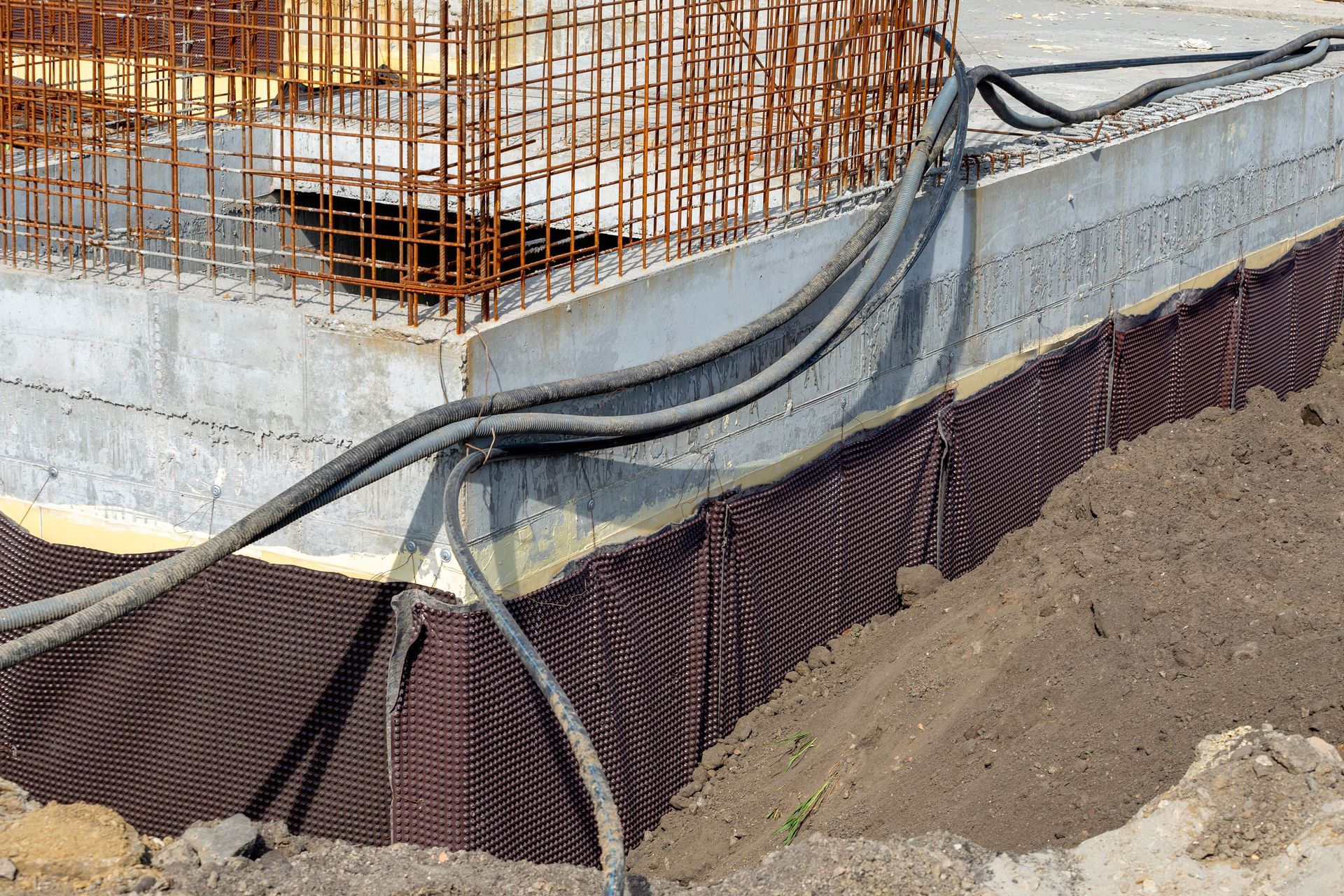
Technological advancements have introduced flexible synthetic membranes, such as high-density polyethylene (HDPE) and rubberized asphalt sheets, which stretch without tearing when foundations naturally settle. These sheet membranes are paired with dimpled drainage boards that channel trickling water directly down to subterranean footing drains, relieving hydrostatic pressure against the wall structure.
Because soil composition and site grading dictate how water moves, landscape engineering works hand-in-hand with waterproofing installations. Clay soils require aggressive drainage networks to move standing water away from the structure, whereas sandy soils drain quickly but may require deep membrane protection against fluctuating water tables. Coordinating site drainage with specialized water proofing restorations ensures maximum system performance.
Environmental sustainability has become a central focus of modern waterproofing manufacturing. Today's industry utilizes low-VOC, solvent-free coatings and recycled drainage materials to protect surrounding ecosystems. These eco-friendly formulations eliminate harmful off-gassing while providing superior resistance to root penetration, soil chemicals, and soil bacteria, ensuring long-term environmental and structural safety.
The Process of Professional Waterproofing Restorations
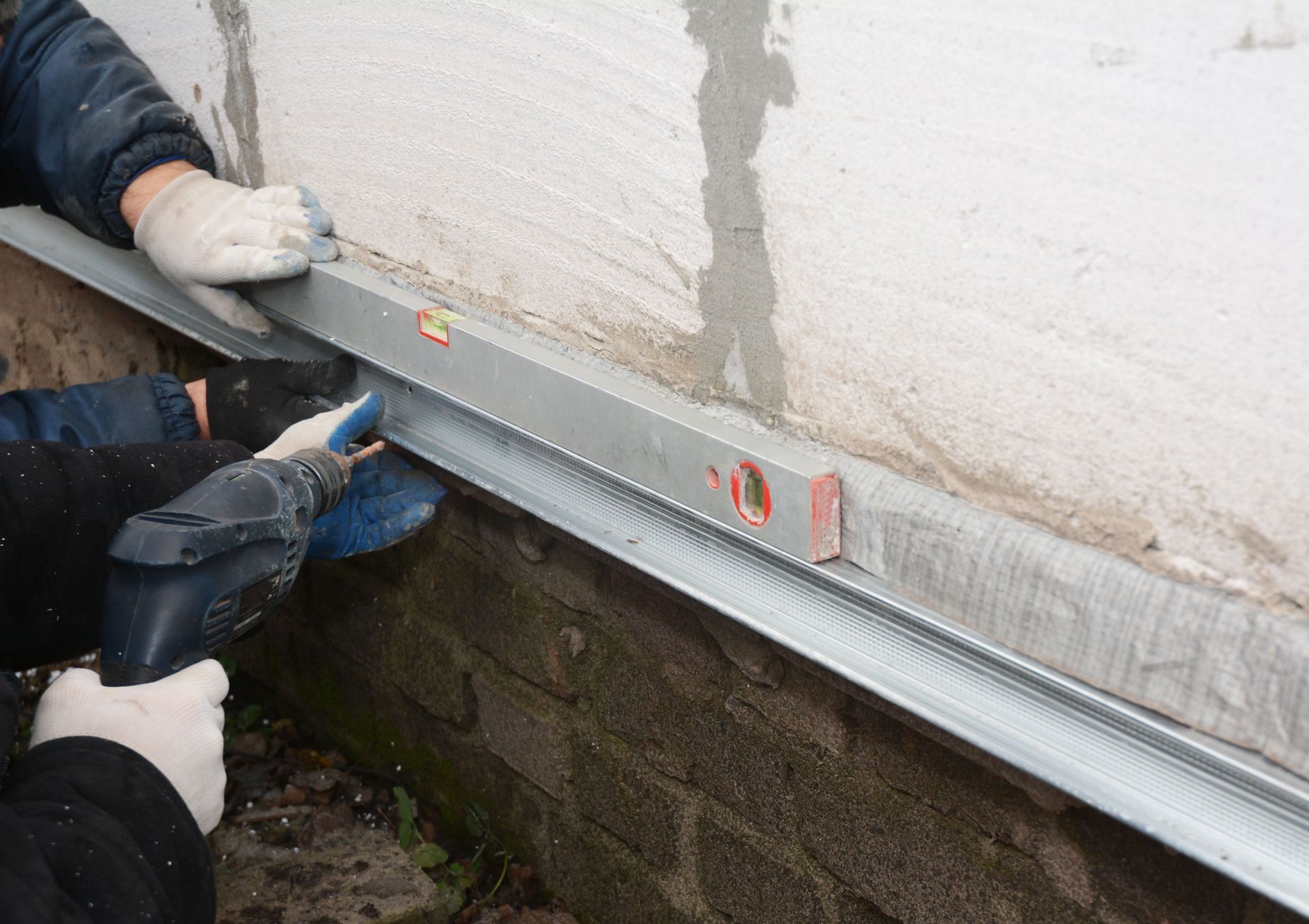
The execution of professional water proofing restorations follows a systematic, multi-step process designed to resolve dampness permanently. Following the initial diagnostic assessment, technicians prepare the site by clearing landscaping and excavating soil around the foundation perimeter down to the footings. This exposes the raw masonry surfaces, allowing workers to thoroughly clean the walls, repair structural cracks with hydraulic cement, and apply a smooth parge coat.
Once site preparation is complete, technicians apply primary elastomeric coatings and heavy-duty waterproofing membranes directly to the exterior walls. According to This Old House, basement waterproofing typically requires anywhere from one day to a full week to complete, depending on the size of the basement and the specific waterproofing approach used. Following membrane application, protective drainage boards and new perforated footing pipes wrapped in filter fabric are installed to handle groundwater flow.
Chronic foundation dampness is a serious threat to structural safety, property value, and indoor living conditions, but it is entirely solvable with the right expertise. Professional
water proofing restorations combine advanced material science, precise site engineering, and comprehensive drainage management to create a permanent shield against subterranean water intrusion. By investing in complete, professional remediation, you protect your building against structural decay, eliminate health hazards associated with mold, and secure your property's long-term financial value. When you are ready to permanently eliminate foundation moisture and restore your home's structural integrity, trust the experienced specialists at Medrano Co. to deliver superior, lasting protection.